Jade Maddox Mack

Chief Creative Officer

MCP: The “USB-C for AI”

The Connection That’s About to Change How Products Work

technology chip

Jade Maddox Mack

Chief Creative Officer

MCP: The “USB-C for AI”

The Connection That’s About to Change How Products Work

technology chip

MCP: The “USB-C for AI”

AI models are powerful, but without access to tools they’re like Tony Stark’s suit without Stark Industries. MCP (Model Context Protocol) might be the infrastructure that finally connects them.
Model Context Protocol

Every week in AI there’s a new acronym.

Half of them sound impressive. Most of them disappear.

But MCP (Model Context Protocol) is different.


This one isn’t just another AI feature. It’s infrastructure.

And if you design digital products, this protocol might quietly reshape how AI actually works inside software.

Let’s break it down.


First: The Stark Problem

Imagine Tony Stark builds the Iron Man suit.

It’s fast. It’s powerful. It looks incredible. But there’s one problem…


The helmet can’t connect to:

• Stark Industries databases

• SHIELD satellite systems

• Wakanda’s tech grid

• The Quinjet


Now what? You’ve got a billion-dollar suit…that can’t talk to anything. Shiny. But isolated.

That’s exactly what happens when AI models can’t connect to tools.

They’re powerful, but they’re stuck in their own little world. 


The Real Issue with AI Today

Right now, connecting AI to software is messy. Every tool requires a custom integration.

AI → Slack

AI → Figma

AI → Google Drive

AI → internal company systems


Each connection requires:

• custom APIs

• custom permissions

• custom engineering work


Every. Single. Time.

It’s like rebuilding the Iron Man suit for every new system Stark wants to access. That doesn’t scale.


Enter MCP

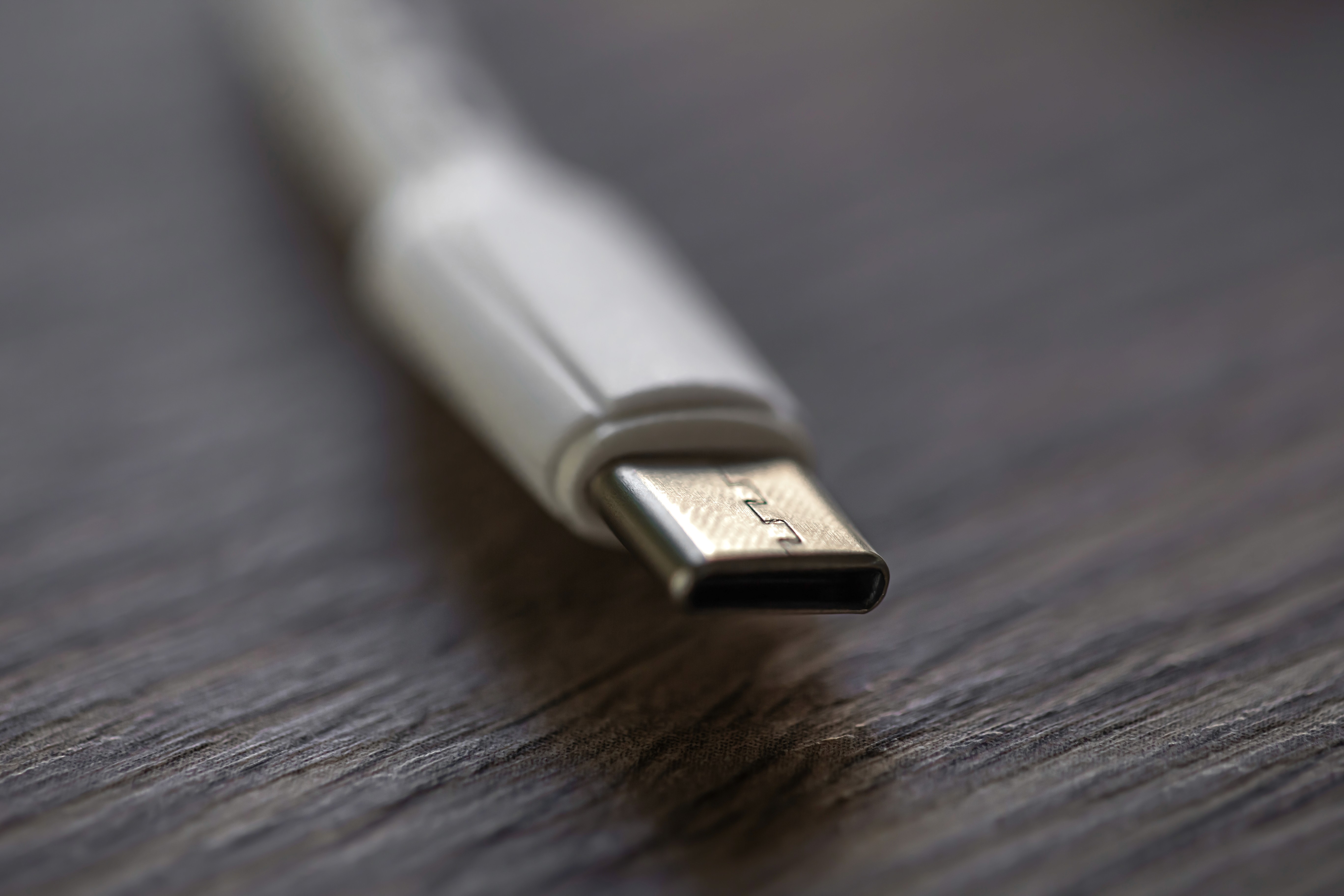
MCP stands for Model Context Protocol. Think of it as USB-C for AI.


Instead of building a brand-new connector every time…You build one standard. Then any system that supports that standard can plug in.


Architecture becomes:

AI Model

→ MCP Client

→ MCP Server

→ Tool


Now your AI can securely interact with:

• files

• databases

• dashboards

• APIs

• internal company systems


Without reinventing the wheel every time. Build once. Connect everywhere.


Why This Matters for Product Teams

Most AI conversations focus on models. GPT. Claude. Gemini.

But the real product shift is happening somewhere else. Connected workflows.

MCP unlocks a new kind of product experience. Instead of just answering questions…AI can actually do things.


Imagine saying:

“Pull the latest booking conversion metrics and summarize the drop-off points.”


Instead of responding with theory, the AI could:

  1. Query the analytics database

  2. Pull the funnel data

  3. Analyze the results

  4. Generate a report


All inside your product. No dashboard hopping. No manual queries. Just execution.


The Infrastructure Behind the Hero

Marvel movies focus on the hero.

But the real magic is often the systems behind them.


Jarvis. Stark Industries infrastructure. Satellite systems.

MCP works the same way.


It’s not flashy. It doesn’t make the AI smarter. It makes the AI connected.

And connected systems always win. 


Why UX Designers Should Pay Attention

MCP pushes products toward something new: AI-driven operating layers.

Instead of navigating complex dashboards, users will increasingly say:

“Show me…” “Create…” “Update…” “Analyze…”

And the product executes the workflow through AI.


That means designers will start thinking about:

  • permission systems

  • AI action transparency

  • workflow visibility

  • system guardrails

  • trust in automation

This isn’t just chat UX. It’s AI orchestrating real product actions.


The Bigger Picture

AI isn’t just about smarter models. It’s about connected systems.

MCP is one of the first real attempts to standardize how those systems talk to each other. Which means the teams that understand it early will design better AI products faster. Not because their AI is smarter. But because their AI can actually do things.


TL;DR

Tony Stark didn’t succeed just because he had a suit.

He won because the suit was connected to an entire ecosystem. MCP is building that ecosystem for AI.

And once the tools connect…Things are about to get interesting.

MCP: The “USB-C for AI”

AI models are powerful, but without access to tools they’re like Tony Stark’s suit without Stark Industries. MCP (Model Context Protocol) might be the infrastructure that finally connects them.

Model Context Protocol

Every week in AI there’s a new acronym.

Half of them sound impressive. Most of them disappear.

But MCP (Model Context Protocol) is different.


This one isn’t just another AI feature. It’s infrastructure.

And if you design digital products, this protocol might quietly reshape how AI actually works inside software.

Let’s break it down.


First: The Stark Problem

Imagine Tony Stark builds the Iron Man suit.

It’s fast. It’s powerful. It looks incredible. But there’s one problem…


The helmet can’t connect to:

• Stark Industries databases

• SHIELD satellite systems

• Wakanda’s tech grid

• The Quinjet


Now what? You’ve got a billion-dollar suit…that can’t talk to anything. Shiny. But isolated.

That’s exactly what happens when AI models can’t connect to tools.

They’re powerful, but they’re stuck in their own little world. 


The Real Issue with AI Today

Right now, connecting AI to software is messy. Every tool requires a custom integration.

AI → Slack

AI → Figma

AI → Google Drive

AI → internal company systems


Each connection requires:

• custom APIs

• custom permissions

• custom engineering work


Every. Single. Time.

It’s like rebuilding the Iron Man suit for every new system Stark wants to access. That doesn’t scale.


Enter MCP

MCP stands for Model Context Protocol. Think of it as USB-C for AI.


Instead of building a brand-new connector every time…You build one standard. Then any system that supports that standard can plug in.


Architecture becomes:

AI Model

→ MCP Client

→ MCP Server

→ Tool


Now your AI can securely interact with:

• files

• databases

• dashboards

• APIs

• internal company systems


Without reinventing the wheel every time. Build once. Connect everywhere.


Why This Matters for Product Teams

Most AI conversations focus on models. GPT. Claude. Gemini.

But the real product shift is happening somewhere else. Connected workflows.

MCP unlocks a new kind of product experience. Instead of just answering questions…AI can actually do things.


Imagine saying:

“Pull the latest booking conversion metrics and summarize the drop-off points.”


Instead of responding with theory, the AI could:

  1. Query the analytics database

  2. Pull the funnel data

  3. Analyze the results

  4. Generate a report


All inside your product. No dashboard hopping. No manual queries. Just execution.


The Infrastructure Behind the Hero

Marvel movies focus on the hero.

But the real magic is often the systems behind them.


Jarvis. Stark Industries infrastructure. Satellite systems.

MCP works the same way.


It’s not flashy. It doesn’t make the AI smarter. It makes the AI connected.

And connected systems always win. 


Why UX Designers Should Pay Attention

MCP pushes products toward something new: AI-driven operating layers.

Instead of navigating complex dashboards, users will increasingly say:

“Show me…” “Create…” “Update…” “Analyze…”

And the product executes the workflow through AI.


That means designers will start thinking about:

  • permission systems

  • AI action transparency

  • workflow visibility

  • system guardrails

  • trust in automation

This isn’t just chat UX. It’s AI orchestrating real product actions.


The Bigger Picture

AI isn’t just about smarter models. It’s about connected systems.

MCP is one of the first real attempts to standardize how those systems talk to each other. Which means the teams that understand it early will design better AI products faster. Not because their AI is smarter. But because their AI can actually do things.


TL;DR

Tony Stark didn’t succeed just because he had a suit.

He won because the suit was connected to an entire ecosystem. MCP is building that ecosystem for AI.

And once the tools connect…Things are about to get interesting.

Design That Delivers

Join now for early access to clarity-driven design tools, tips, and inspiration.

At MXM Digital (MXMD), design is more than aesthetics—it’s about creating seamless experiences that solve real-world problems and drive results. Guided by innovation and purpose, we craft solutions that are both beautiful and functional, rooted in strategy and a deep understanding of user needs.

Design That Delivers

Join now for early access to clarity-driven design tools, tips, and inspiration.

At MXM Digital (MXMD), design is more than aesthetics—it’s about creating seamless experiences that solve real-world problems and drive results. Guided by innovation and purpose, we craft solutions that are both beautiful and functional, rooted in strategy and a deep understanding of user needs.

Design That Delivers

Join now for early access to clarity-driven design tools, tips, and inspiration.

At MXM Digital (MXMD), design is more than aesthetics—it’s about creating seamless experiences that solve real-world problems and drive results. Guided by innovation and purpose, we craft solutions that are both beautiful and functional, rooted in strategy and a deep understanding of user needs.